

Cannabis Chocolate: Everything You Need to Know About THC-Infused Chocolate
Cannabis Chocolate: Everything You Need to Know About THC-Infused Chocolate
The Complete Guide to Understanding, Choosing, and Enjoying Hemp-Derived THC Chocolates
Published by Retro Bakery by Uniflora Holistics | Minneapolis, MN
Key Takeaways
- Chocolate Enhancement: Cannabis and chocolate naturally complement each other due to shared compounds (anandamide, theobromine) that enhance mood and relaxation
- Bioavailability: The fat content in chocolate improves THC absorption, making edibles more effective than many other methods
- Hemp-Derived Options: Farm Bill-compliant products like ours contain less than 0.3% delta-9 THC but deliver meaningful effects through hemp-derived cannabinoids
- Dosing Matters: Start low (2.5-5mg equivalent THC) and go slow, as edible effects take 1-2 hours to manifest and last 4-8 hours
- Variety Available: From milk chocolate to dark chocolate and infused bars, cannabis chocolate comes in numerous varieties to suit every preference
- Discreet & Convenient: Cannabis chocolates are the most inconspicuous way to enjoy cannabinoids while satisfying a sweet tooth
Discover our premium collection
Retro Bakery's Cannabis Chocolate Collection
Explore our carefully crafted hemp-derived THC chocolate bars and premium infused treats, all compliant with the Farm Bill.
Shop Chocolate CollectionBrief History of Cannabis & Chocolate
The marriage of cannabis and chocolate isn't a modern innovation—it has deeper historical roots than many realize. While both substances have ancient origins, their combination represents a fascinating intersection of culinary and medicinal traditions.
Chocolate itself dates back to the Aztecs, who used cacao in ceremonial and medicinal preparations around 1500 BCE. The Aztecs also used cannabis (hemp), making both substances respected in ancient Mesoamerican cultures. However, the deliberate combination gained prominence in the 20th century as cannabis legalization spread across North America and Europe.
In the 1960s and 1970s, as cannabis culture evolved, creative enthusiasts began experimenting with infusions into everyday foods. Chocolate, with its rich flavor profile and appealing texture, became a natural vehicle. Edibles remained underground until the early 2000s when medical cannabis legalization in California opened the door to legitimate cannabis-infused product manufacturing.
Today, cannabis chocolate represents the most sophisticated and enjoyable segment of the edibles market. The combination has been refined from DIY experiments into a professionally-manufactured category with precise dosing, quality control, and exceptional flavor profiles. Hemp-derived cannabis products, made legal through the 2018 Farm Bill, have democratized access to cannabis chocolate across the United States.
The Science Behind the Magic: Why Chocolate & Cannabis Work Together
The pairing of cannabis and chocolate isn't just delicious—it's scientifically synergistic. Three key factors explain why these two substances complement each other so well:
1. Shared Neurotransmitter: Anandamide
Both chocolate and cannabis influence anandamide, often called the "bliss molecule." Anandamide is an endocannabinoid naturally produced in the brain that binds to the same receptors as THC and other cannabinoids. Chocolate contains phenylethylamine and other compounds that encourage anandamide production, while THC directly engages with anandamide receptors. Together, they create an amplified sense of relaxation and well-being that's greater than either substance alone.
2. Theobromine & Enhanced Effects
Theobromine, chocolate's natural stimulant, works in concert with cannabis compounds. While THC can sometimes produce anxiety in sensitive individuals, theobromine's mild stimulant properties help balance the experience, creating a more pleasant and less sedative effect. This balance is particularly pronounced in milk chocolate varieties, which contain less theobromine than dark chocolate.
3. Fat Content Improves Bioavailability
Perhaps the most significant scientific advantage: chocolate's high fat content dramatically improves THC absorption. THC is lipophilic (fat-soluble), meaning it dissolves better in fatty environments than in water-based systems. When you consume cannabis chocolate, the cocoa butter and other fats create an ideal delivery mechanism, leading to faster onset (typically 1-2 hours) and more efficient absorption compared to many other edible formats. This enhanced bioavailability means you experience more consistent and predictable effects.
For a deeper dive into the chemistry of cannabis and chocolate interaction, check out our article on why chocolate edibles hit harder.
Types of Cannabis Chocolate
Cannabis chocolate comes in numerous varieties, each offering distinct flavor profiles and effects. Here's a comprehensive breakdown:
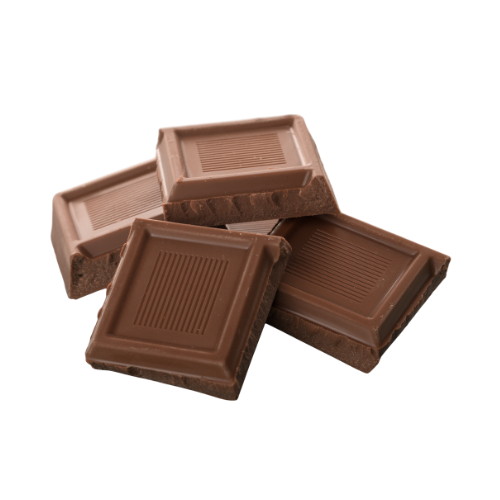
Milk Chocolate Cannabis Bars
Milk chocolate (30-40% cocoa) offers a creamy, sweet flavor that appeals to those new to cannabis or preferring milder tastes. The higher sugar and milk content creates a smoother mouthfeel and slightly faster onset due to sugar's effect on digestion. Popular for daytime or social use due to the mild theobromine content that balances THC's effects. Best for: Beginners, daytime use, sweet-tooth satisfaction.
Dark Chocolate Cannabis Bars
Dark chocolate (50-90% cocoa) delivers a more sophisticated, bitter-forward experience with higher theobromine content. The stronger flavor profile complements cannabis's herbal notes, creating complex taste combinations. Higher cocoa content means more antioxidants and polyphenols alongside cannabinoids. Effects tend to be slightly more pronounced and sustained due to lower sugar content affecting digestion differently. Best for: Experienced users, evening relaxation, health-conscious consumers.
White Chocolate Cannabis Products
White chocolate (cocoa butter only, no cocoa solids) provides pure creaminess with subtle vanilla notes. It lacks theobromine but retains the beneficial fat content for THC absorption. White chocolate varieties are excellent for flavor mixing, often infused with complementary flavors like vanilla, chai, or fruit. Best for: Flavor variety, those sensitive to caffeine, creamy texture preferences.
Infused Chocolate Bars with Mix-Ins
Cannabis chocolate bars often include additions like nuts, dried fruit, seeds, nougat, caramel, or crispy wafers. These additions provide textural variety, additional nutritional benefits, and sometimes extend the dosing across more pieces, allowing for easier portion control. Popular combinations include dark chocolate with sea salt and almonds, or milk chocolate with rice cereal and caramel. Best for: Those seeking variety, textural preferences, portion control.
Cannabis Chocolate Truffles
Truffles represent the luxury segment of cannabis chocolate. These ganache-based confections (chocolate center with chocolate or cocoa coating) offer intense flavor experiences with precise dosing. Truffles often feature artisanal ingredients, single-origin chocolate, and premium cannabis extracts. The ganache's high fat content creates optimal THC delivery. Best for: Special occasions, gifting, premium experiences, precise micro-dosing.
Chocolate-Covered Cannabis Treats
These products feature a chocolate shell covering various centers—cannabis-infused nuts, fruits, cookies, or candies. The chocolate coating provides the delivery mechanism while the interior offers variety in texture and flavor. These are particularly convenient for discrete consumption and portion control. Best for: Variety seekers, discrete consumption, balanced experience.
Pro Tip: Milk chocolate edibles typically onset 5-10 minutes faster than dark chocolate due to sugar content, though dark chocolate may provide longer-lasting effects due to slower digestion of the higher cocoa content.
Ready to explore your options? Check out our signature Milk Chocolate THC Bar and discover the Retro Bakery difference.
Dosing Guide: Finding Your Perfect Amount
One of the most important aspects of enjoying cannabis chocolate safely and effectively is understanding proper dosing. Unlike smoking or vaping where effects are immediate, edibles require patience and precision.
The Golden Rule: Start Low, Go Slow
If you're new to cannabis edibles, the industry-standard recommendation is to start with 2.5-5mg of THC and wait at least 2 hours before consuming more. This conservative approach allows you to gauge your individual response before increasing your dose. Everyone's metabolism, body weight, food intake, and cannabis tolerance differ, so what works for one person may be too much or too little for another.
Dosing Ranges by Experience Level
| Experience Level | Recommended Starting Dose | Common Range | Onset Time |
|---|---|---|---|
| Complete Beginner | 2.5mg THC | 2.5-5mg | 1-2 hours |
| Occasional User | 5mg THC | 5-10mg | 1-2 hours |
| Regular User | 10mg THC | 10-20mg | 1-1.5 hours |
| Experienced User | 20mg+ THC | 20-50mg+ | 1-1.5 hours |
Factors That Affect Edible Dosing
- Food Intake: Consuming edibles on an empty stomach results in faster onset (as early as 30-45 minutes) but can be more intense. With food, onset takes longer (1.5-2+ hours) but effects are more gradual and may last longer.
- Metabolism: Faster metabolisms process THC more quickly, resulting in shorter duration (4-6 hours). Slower metabolisms may experience effects for 6-8 hours or longer.
- Body Weight: Higher body weight may require slightly higher doses for equivalent effects, though individual variation is significant.
- Tolerance: Regular cannabis use increases tolerance. Many experienced users find they need 2-3x the dose of new users for similar effects.
- Chocolate Type: Milk chocolate with sugar may onset slightly faster. Dark chocolate may produce longer-lasting effects.
- CBD Content: Products with CBD alongside THC may produce milder effects and reduce anxiety.
Safe Consumption Tips
- Always wait 2+ hours after initial consumption before taking more, as effects can continue building
- Store cannabis chocolates away from children and pets in clearly labeled containers
- Never drive or operate machinery after consuming cannabis edibles
- Keep notes on doses and effects to identify your personal optimal dosage
- If you experience anxiety or overwhelming effects, eat something fatty (like peanut butter) to slow absorption, and find a calm, safe space
- Avoid mixing cannabis chocolate with alcohol, as this can intensify effects unpredictably
How Cannabis Chocolate Is Made: The Infusion Process
Professional cannabis chocolate manufacturing is a precise, multi-step process that ensures consistent potency, safety, and exceptional quality. Understanding this process helps you appreciate what goes into premium cannabis chocolate.
Step 1: Cannabis Extraction
The process begins with extracting cannabinoids from hemp flower or cannabis plant material. Common extraction methods include CO2 extraction (which produces a clean, solvent-free concentrate), ethanol extraction, or distillation. Each method has advantages: CO2 extraction preserves delicate terpenes for flavor, while distillation creates pure, potent concentrates ideal for precise dosing. The extracted product is typically a thick oil or distillate containing THC and other cannabinoids.
Step 2: Testing & Analysis
Before infusion, the cannabis extract undergoes laboratory testing to verify cannabinoid content (THC, CBD, CBN, etc.), confirm purity, and screen for contaminants like pesticides, heavy metals, and microbial pathogens. This testing ensures every batch meets regulatory requirements and quality standards. Results guide precise dosing calculations.
Step 3: Chocolate Base Selection & Tempering
Premium chocolate couverture (professional chocolate with high cocoa butter content) is selected based on the desired final product characteristics. The chocolate is slowly melted to precise temperatures while maintaining cocoa butter crystal structure. Proper tempering ensures smooth texture, glossy finish, and proper snap when the finished chocolate cools. Temperature control during this stage is critical—typically between 48-50°C for dark chocolate.
Step 4: Cannabis Extract Integration
The cannabis extract is carefully heated to a similar temperature as the chocolate, then slowly incorporated into the melted chocolate using precision equipment that ensures even distribution. Proper mixing is essential—uneven distribution means some pieces will be under-dosed while others are over-dosed. Modern facilities use industrial mixers capable of creating perfectly homogeneous batches. This stage typically takes 15-30 minutes of careful blending.
Step 5: Molding & Cooling
The infused chocolate mixture is poured into molds designed to create bars, individual pieces, or custom shapes. The molds move through temperature-controlled cooling tunnels, first at room temperature, then often into refrigeration. This controlled cooling process, called crystallization, typically takes 20-45 minutes. Proper cooling prevents bloom (gray streaks caused by improper crystal formation) and ensures proper hardness.
Step 6: Packaging & Final Testing
Once cooled and solidified, individual chocolates are removed from molds, inspected for visual quality, and packaged. Many manufacturers test finished products again to verify dosage accuracy—a critical quality control step. Each package is labeled with cannabinoid content, batch number, testing dates, and required compliance warnings. Professional packaging includes child-resistant barriers and tamper-evident seals.
Quality Assurance Throughout
Professional cannabis chocolate manufacturers maintain GMP (Good Manufacturing Practice) standards, including regular equipment calibration, environmental monitoring, employee training, and documentation of every batch. This rigorous approach ensures that every Retro Bakery product meets our exacting standards for safety, potency, and taste.
Cannabis Chocolate vs. Other Edible Types: Why Chocolate Wins
While cannabis comes in many edible formats—gummies, beverages, baked goods, and more—cannabis chocolate offers unique advantages that make it the preferred choice for many consumers.
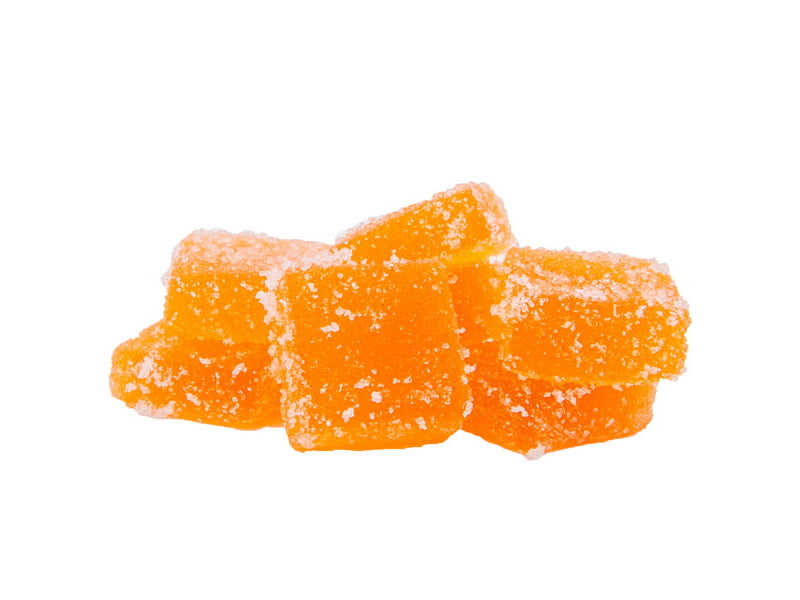
Cannabis Chocolate vs. Gummies
| Aspect | Cannabis Chocolate | Gummies |
|---|---|---|
| Fat Content | High (cocoa butter) | Minimal to none |
| Bioavailability | Excellent (faster onset) | Standard (slower) |
| Texture | Smooth, melts in mouth | Chewy, sticky |
| Portion Control | Bar can be broken apart | Pre-divided gummies |
| Flavor Complexity | Rich, sophisticated | Fruity, candy-like |
| Synergistic Effects | Yes (anandamide, theobromine) | No additional compounds |
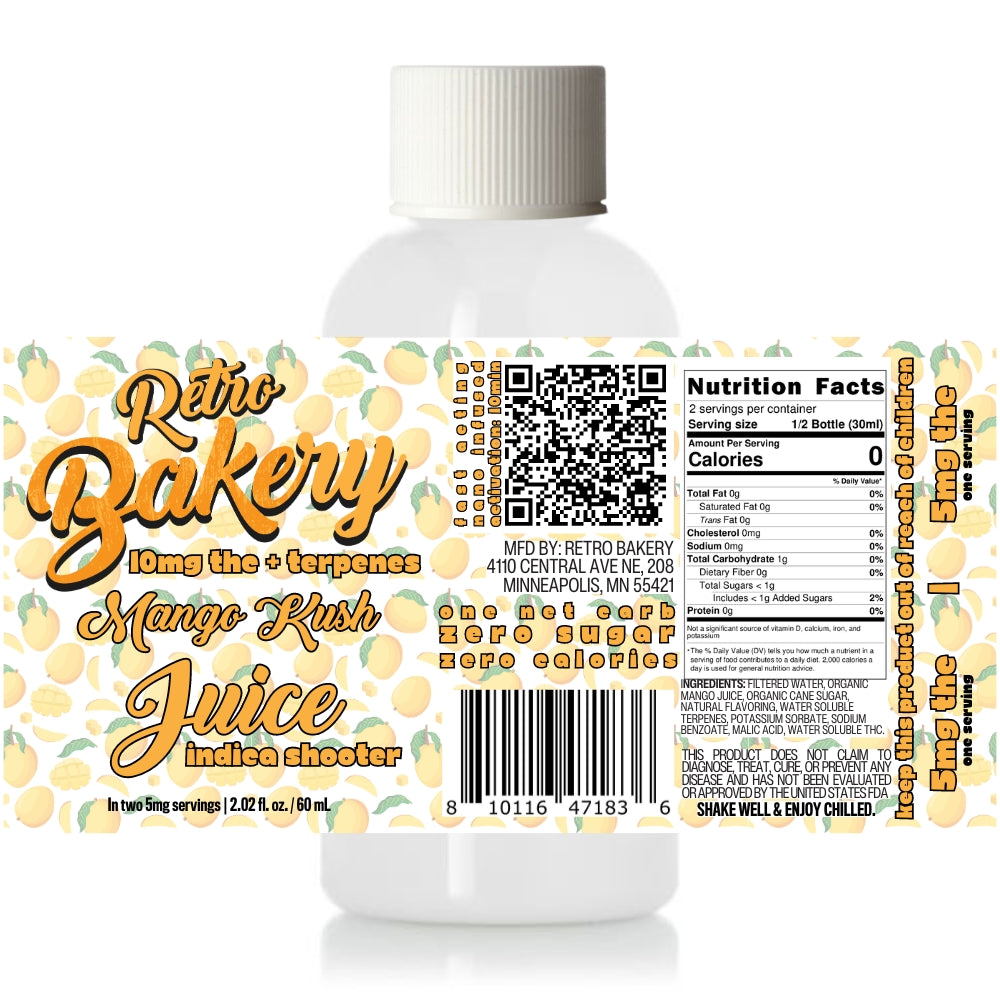
Cannabis Chocolate vs. Beverages
Chocolate Advantages:
- More consistent dosing (beverages can separate or settle unevenly)
- Longer shelf life (beverages degrade faster)
- No taste-masking required (chocolate naturally masks cannabis flavor)
- Portable and discreet (no liquid to spill)
- Better fat content for absorption
Cannabis Chocolate vs. Baked Goods
Chocolate Advantages:
- Doesn't require home preparation (no baking smell)
- Professional quality and dosage consistency
- Faster onset (less digestive complexity)
- Better for discrete consumption
- Lower calorie options available
- Doesn't require refrigeration typically
The Verdict
Cannabis chocolate combines the best attributes: superior bioavailability from fat content, synergistic effects from anandamide and theobromine, sophisticated flavor profile, convenience, and discretion. For more detailed comparisons, read our comprehensive guide on gummies vs. chocolate vs. drinks.
The Legal Landscape: Hemp-Derived vs. Marijuana-Derived Cannabis Chocolate
Understanding the legal distinctions between different cannabis chocolate products is essential for both consumers and businesses. The regulatory environment has changed dramatically in recent years, creating new opportunities for cannabis chocolate enthusiasts nationwide.
The 2018 Farm Bill: A Game Changer
The Agriculture Improvement Act of 2018 (Farm Bill) legalized hemp-derived cannabinoid products nationwide, defining "hemp" as cannabis containing less than 0.3% delta-9 THC by dry weight. This single piece of legislation transformed the landscape, making cannabis chocolate products legally available in all 50 states where hemp-derived products are sold—even in states where marijuana remains illegal.
Retro Bakery's products are hemp-derived and Farm Bill compliant, meaning they contain less than 0.3% delta-9 THC while potentially containing meaningful amounts of other cannabinoids like delta-8 THC, delta-10 THC, or HHC (hexahydrocannabinol). These cannabinoids interact with your endocannabinoid system similarly to delta-9 THC, delivering genuine psychoactive effects within legal boundaries.
Hemp-Derived vs. Marijuana-Derived Cannabis Chocolate
Hemp-Derived Cannabis Chocolate (Retro Bakery)
- Contains less than 0.3% delta-9 THC by federal definition
- Legal in all 50 states for purchase and possession
- May contain delta-8, delta-10, HHC, or other hemp-derived cannabinoids
- Requires federal compliance and testing
- Widely available online and through retailers
- Regulated by FDA guidance and state-specific rules
Marijuana-Derived Cannabis Chocolate
- Contains more than 0.3% delta-9 THC
- Legal only in states with legal cannabis programs
- Typically purchased from state-licensed dispensaries
- Subject to strict state regulations and testing
- Often higher THC potency options available
- Cannot be shipped across state lines
Minnesota's Status & Retro Bakery's Position
While Minnesota has not yet legalized marijuana-derived cannabis products for recreational use, hemp-derived cannabis products are fully legal and thriving. Retro Bakery operates legally in Minneapolis, serving Minnesota residents and customers nationwide with high-quality, Farm Bill-compliant cannabis chocolate products.
Quality & Safety Standards
Even though hemp-derived products operate under federal rather than state dispensary regulations (in most cases), quality manufacturers like Retro Bakery maintain rigorous standards:
- Third-Party Testing: All products tested by independent labs for cannabinoid content and safety
- Compliance Documentation: Complete test results and Farm Bill compliance verification available
- Manufacturing Standards: GMP-certified facilities meeting or exceeding typical state requirements
- Transparent Labeling: Clear potency information, ingredients, and batch numbers on all packaging
- Customer Safety: Child-resistant packaging and detailed warning labels included
Know Your Local Laws
While hemp-derived cannabinoid products are federally legal, a small number of states and cities have additional restrictions. Always check your local regulations before purchasing. If you have questions about legality in your area, we recommend contacting your local authorities or consulting with a legal professional familiar with cannabis law in your jurisdiction.
Explore more cannabis options
Looking for Variety?
Beyond chocolate, Retro Bakery offers premium gummies and a complete selection of hemp-derived cannabinoid products to suit every preference.
Explore Gummies & MoreFrequently Asked Questions About Cannabis Chocolate
⊕ How long does it take for cannabis chocolate to work?
Most people begin feeling the effects of cannabis chocolate 45 minutes to 2 hours after consumption. Some feel effects as early as 30 minutes, especially on an empty stomach or with milk chocolate varieties. Effects continue building for 1-3 hours and typically last 4-8 hours total, depending on individual metabolism, dosage, and product type. Patience is key—don't take additional doses within the first 2 hours thinking it hasn't worked.
⊕ Will cannabis chocolate make me fail a drug test?
⊕ How should I store cannabis chocolate?
⊕ Can I use cannabis chocolate for medical purposes?
⊕ Is cannabis chocolate safe for everyone?
⊕ How do hemp-derived products differ from marijuana-derived in effects?
⊕ Can I build tolerance to cannabis chocolate?
Ready to Experience Premium Cannabis Chocolate?
Discover why Retro Bakery is Minneapolis's trusted source for Farm Bill-compliant, expertly-crafted cannabis chocolate products.
Shop Cannabis Chocolate Explore Full Collection